
Student loans have evolved as an important financial resource for many students around the world. As the cost of higher education rises, many students and their families rely on these loans to cover tuition, housing, textbooks, transportation, and other academic expenses.
Although student loan provide access to higher education, they also create long-term financial commitments. Gaining a thorough grasp of how these loans work before borrowing can result in significant savings on interest payments and help avoid financial issues after graduation.
This comprehensive reference explains all you need to know about student loans, including their numerous varieties, benefits and drawbacks, the application process, repayment methods, forgiveness choices, and practical tips for prudent borrowing.
Quick Link
What Is a Student Loan?
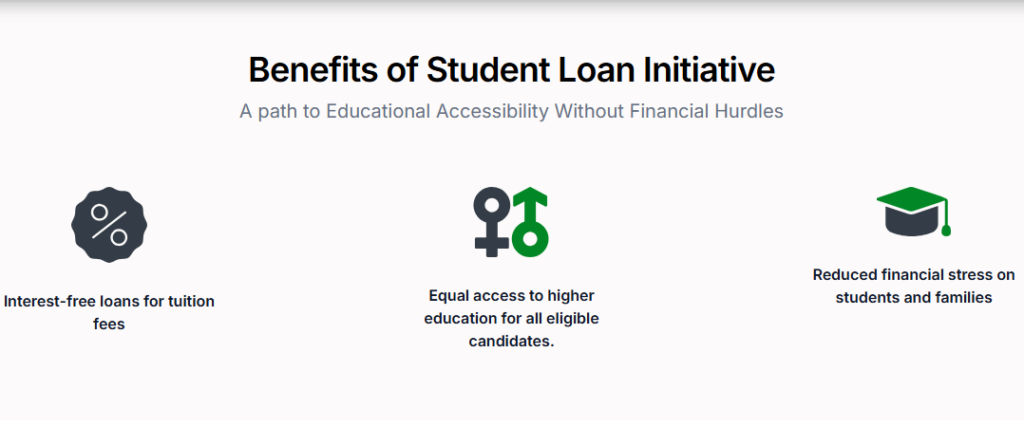
A student loan is funding secured expressly for educational purposes. Student loans, unlike scholarships or grants, often require repayment, frequently with interest. The Student Loan Initiative is a program introduced by the federal government of Nigeria to eliminate financial barriers to higher education.
Student loans are commonly used to cover:
- College Tuition Fees
- University expenditures.
- Textbooks and Supplies
- Accommodation
- Transportation
- Meal Plans
- Computers and Educational Tools
- Living costs
Various governments, financial institutions, and private lenders offer student loans with varying eligibility and repayment terms.
Why Student Loans Matter
Pursuing further education often requires a significant financial investment. Many families cannot afford to meet these expenditures up front.
Student loans help to bridge this financial gap by allowing students to pursue degrees before they have sufficient income.
Advantages include:
- Improved access to educational opportunities
- Opportunity to enroll in more reputable universities.
- Reduced immediate financial hardship.
- Ability to complete professional programs
- Expanded career opportunities after graduating
While loans provide immediate assistance, borrowers must be cognizant of the long-term commitments that accompany them.
Types of Student Loans
Student loans generally fall into two major categories.
1. Federal Student Loans
Federal student loans are government-backed and often offer better terms to borrowers.
The typical traits include the following:
- Reduced interest rates
- Adaptable repayment options
- Plan for repayment depending on income
- Chances of loan forgiveness
- Providing short-term payment relief during financial challenges
Many financial counselors recommend that you properly explore federal loan alternatives before considering private loans.
2. Private Student Loans
Private student loans are offered by:
- Banks
- Credit Unions
- Online lenders
- Financial Institutions
Private loans can help students who require additional cash beyond what federal aid provides.
However, they frequently come with:
- Higher interest rates.
- More restrictive eligibility requirements
- Considerations for credit scores
- Limited repayment alternatives.
Borrowers should thoroughly evaluate different lenders before making a decision.
How Student Loans Work
The student loan process typically involves the following steps:
- Apply for admission to a school.
- Determine your financial need.
- Apply for possible student aid.
- Receive loan offers.
- Accept the desired loan amount.
- Funds are distributed to educational institutions.
- The remaining funds, if any, are sent to the student.
The loan agreement specifies when repayment begins, which is usually after graduation or the end of any grace period.
Costs Covered by Student Loans
The bulk of student loans can be used for education-related expenses, including:
- Tuition
- Enrollment fees
- Laboratory fees
- Housing for students
- Meals
- Textbooks
- Technology-related purchases.
- Internet service
- Transportation
- School supplies
Certain loan programs specify what expenses are eligible.
Student Loan Interest Rates Explained
Interest is an expense connected with borrowing money.
Student loan interest can be categorized as follows:
Fixed Variable
Fixed Interest Rate
A fixed interest rate remains consistent during the duration of the loan.
Student Loan Benefits include:
- Make consistent monthly payments.
- Simplified budgeting
- Protecting against rising market rates
Variable Interest Rate
- Variable interest rates fluctuate according to market developments.
Student Loan Benefits:
- Reduced beginning rates.
Student Loan Drawbacks:
- Payments may increase over time. 2. Repayment costs are less predictable.
Student Loan Eligibility
Eligibility conditions vary depending on the lender.
Typical prerequisites include the following:
- Enroll in a recognized institution.
- Evidence of Acceptance
- Citizenship or residency requirements (if applicable)
- Academic standing
- Identification paperwork
- Financial details
Private lenders may also request a good credit history or a co-signer.
Advantages of Student Loans
Student loans provide numerous perks.
1. Access to Higher Education
Without loans, many students would be unable to attend college or university.
2. Flexible repayment
Many programs offer prolonged payback periods, which reduces monthly payments.
3. Career Opportunities
Graduates frequently obtain access to higher-paying jobs, which can offset the cost of borrowing.
4. Credit Building
Responsible repayment might help you establish a good credit history.
5. Deferred payments
Some loans allow payments to start after graduation, giving students time to find work.
Disadvantages of Student Loan
Despite their benefits, student loans have certain pitfalls.
1. Debt Burden
Paying down large sums can take years, if not decades.
2. Interest Costs
Borrowers usually repay more than the original amount borrowed due to interest.
3. Financial Stress
Monthly payments might impact budgeting and financial freedom.
3. Reduced Purchasing Power
High loan payments might cause delays in achieving goals such as buying a home, starting a business, or saving for retirement.
Federal Student Loan vs. Private Student Loan
The table below shows the difference between a student loan and a federal student loan;
| Feature | Federal Loans | Private Loans |
|---|---|---|
| Interest Rates | Often standardized and borrower-friendly | Vary by lender and credit profile |
| Credit Check | Often limited or not required for some programs | Frequently required |
| Repayment Flexibility | Extensive | Limited |
| Forgiveness Options | May be available | Rare |
| Hardship Assistance | Often available | Varies |
How much should you borrow for a student Loan?
Only take out a loan for what is really essential.
Before agreeing to a loan, consider:
- Tuition fees
- Accommodation
- Books, Transport, Meals
- Unexpected expenses
Deduct:
- Scholarships Grants
- Personal Savings
- Support from the family
- Income from part-time jobs
Only borrow the difference to lower future payback costs.
Student Loan Smart Borrowing Strategies
The following are the best strategies to borrow wisely:
- Creating a practical budget.
- Seeking scholarships as the first option.
- Exploring grant and work-study opportunities
- Taking a part-time job if possible.
- Evaluating lenders thoroughly.
- Understanding all the terms of the loan.
- Reviewing the loan agreement in detail.
Common Student Loan Repayment Plans
Repayment options vary depending on the lender and type of loan.
Common choices include:
1. Standard Repayment
Consistent monthly payments made over a fixed time period.
Ideal for borrowers with stable incomes.
2. Graduated Repayment
Initial payments are low and steadily increase over time.
Beneficial for debtors who expect an increase in earnings.
3. Extended Repayment
Longer repayment terms result in cheaper monthly payments, but greater overall interest.
4. Income-Driven Repayment
Certain government-backed loan programs offer payment plans based on income and family size, making repayments more reasonable for qualified applicants.
The Grace Periods for Student Loan
Many student loans have a grace period following graduation before repayment begins.
This enables graduates to:
- Find employment.
- Establish financial stability.
- Prepare for monthly payments.
According to the loan terms, interest may continue to accrue during the grace period.
Student Loan Forgiveness Programs
Certain regions offer loan forgiveness or cancellation options to borrowers who meet specific requirements, such as working in recognized public service positions or making qualifying payments under sanctioned repayment plans.
The criteria for eligibility might vary greatly depending on the country and program. Borrowers are encouraged to check the most recent criteria with the appropriate government agency or lending institution.
What Happens If You Miss Payments?
Missing student loan payments might lead to serious penalties.
Possible outcomes include:
- Late fees
- Additional interest.
- Negative effect on credit reports
- Collection Activity
- Difficulty getting future loans
If you are experiencing problems making payments, contact your loan servicer or lender as soon as possible to discuss your options.
Refinancing Student Loan
Refinancing a student loan entails replacing one or more existing loans with a new one, usually to obtain a cheaper interest rate or a different payback term.
Potential benefits of Student Loan :
- Lower your monthly payments.
- Qualified borrowers can benefit from reduced interest rates and simplified payback with a single loan.
Potential Drawbacks:
Refinancing government-backed loans with a private lender results in the loss of some borrower protections.
Eligibility depends on creditworthiness and income.
Student Loan Consolidation
Consolidation combines many loans into a single loan.
Benefits are:
- A single monthly payment.
- Simplified budgeting
- Streamlined loan oversight
Drawbacks are:
- Extended repayment durations can increase the total interest amount.
- Conditions may differ from the first loans.
Scholarships vs. Student Loans
| Scholarships | Student Loans |
|---|---|
| Do not require repayment | Usually require repayment with interest |
| Often merit- or need-based | Borrowed funds |
| Reduce education costs | Increase future financial obligations |
| Highly competitive | Generally more widely available |
Tips for Managing Student Loan Debt
Good financial practices might make the repayment process easier. Here are some suggestions to consider:
- Check your balance on a regular basis.
- Always pay on time.
- When possible, pay more than the minimum amount required.
- Create an emergency fund to cover unexpected expenses.
- Avoid unneeded borrowing.
- Regularly examine your repayment choices.
- Update your contact information with your lender or loan servicer.
Frequently Asked Questions
Can student loans be used to cover living expenses?
Yes, according to many lenders’ policies, student loan funds can be used for qualified living expenses related to education.
Do student loans influence credit scores?
Yes, they do. Making timely payments can improve your credit history, while late payments can negatively impact it.
Is it possible to repay student loans early?
Many loans allow for early repayment without penalties; however, borrowers should check with their lender to confirm.
Are student loans worth taking?
They can be worthwhile if the education they finance leads to better job opportunities and if the amount borrowed is reasonable compared to the expected future income.
Building a Good Repayment Strategy
Creating a repayment plan before graduation can help relieve financial stress.
Consider the following steps:
- Estimate your anticipated monthly income.
- Calculate your projected living expenses.
- Consider your repayment choices.
- Set up automatic payments, if available.
- Extra cash should be allocated to principal whenever possible.
- Track your loan balance and interest rate over time.
A proactive approach can help you pay off debt more efficiently and avoid delinquencies.
Education funding is always shifting. Many countries are enacting policies to make higher education more accessible, expand repayment flexibility, and remove barriers to entry.
Borrowers should be aware of any changes to loan regulations, interest rates, and repayment plans, as these can affect their financial commitments.
Student loans might be a prudent investment in your future. They enable millions of students to pursue higher education, gain essential skills, and expand their job options. However, borrowing entails long-term financial responsibility.
Before taking out a student loan, you should comprehend the conditions, examine available options, estimate your future repayment capabilities, and borrow just what you need. Prioritize scholarships, grants, and other forms of financial aid whenever possible. Once repayment begins, remaining prepared, making timely payments, and constantly reviewing your alternatives will help you manage your debt more efficiently.
Student loans, with careful planning and ethical borrowing, can be used to achieve educational and career success rather than becoming a financial burden.